Fire suppression guide
Explore our fire suppression guide, covering detection systems, extinguishing agents, system components and fire hazard analysis, backed by over 30 years of expertise.
Selecting the right fire suppression system requires a clear understanding of the risks facing equipment, assets and staff. The operating environment, potential ignition sources and equipment design all influence the protection required.
Fire suppression systems
Automatic fire suppression can help limit the consequences of a developing fire, but the effectiveness of any system depends on its suitability for the equipment and the hazards involved.
Our introductory guide explains how fire suppression systems operate, the main technologies and extinguishing agents available, and the factors to consider when selecting protection. Providing a useful starting point for understanding which specification options suit you the best.
What Is A Fire Suppression System?
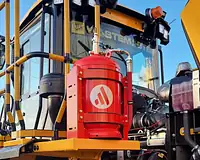
What is a fire suppression system, and how does it work? Read our guide to learn more and discover which system is best for your business.
Understanding fire suppression: The basics
A fire suppression system relies on several components working together, each with a specific role in detecting and responding to fire.
Drawing on our experience in vehicle and plant protection, our Fire Suppression Basics series examines these components and the decisions involved in designing an effective system.
-
Fire Suppression Basics: Extinguishing Agents

We start this blog series with the essential component of any fire suppression system, the extinguishing agent.
-
Fire Suppression Basics: Nozzle Coverage and Location

In this post, we look at the importance of the number and location of nozzles for effective fire suppression in a fire suppression system.
-
Fire Suppression Basics: Fire Hazard Analysis

In this post, we look at the principles behind a fire hazard analysis and how they dictate system design parameters such as quantity of suppression agent.
-
Fire Suppression Basics: Suppression Agent Tanks

No fire suppression system is complete without the correct suppression agent tanks. In this blog post, we look at the two main types of tanks.
-
Fire Suppression Basics: Control Systems

Extinguishing agents and detectors are key components of any system, but it is the control module that dictates the response to fire.
-
Fire Suppression Basics: Detection Systems

Even the most effective extinguishing agents depend upon a reliable detection system. Here we look at the most common types and their pros and cons.
-
Fire suppression systems: A staff training guide

Ensuring staff are trained in fire prevention and suppression is crucial for protecting lives and assets. Here’s an overview of what they need to know.
Maintenance checks
The condition of machinery can change considerably between scheduled maintenance checks. Combustible debris may accumulate around hot components, while damaged electrical connections can introduce new ignition risks.
Regular inspections help identify these issues before they develop into more serious problems. We recommend incorporating fire prevention checks into daily equipment routines, paying particular attention to cleanliness, potential ignition points and signs of wear that could affect equipment safety.
Your Daily Maintenance Checks to Prevent a Vehicle Fire
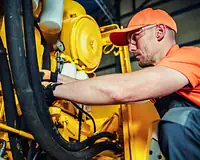
Nobody expects a fire on-board their equipment; however when it does happen, the results can be catastrophic.
Why fire protection systems fail
The reliability of fire suppression equipment depends on proper specification, staff training, and shut down procedures.
Understanding potential system weaknesses helps inform better specification, maintenance and risk management. We examine the factors that can compromise performance, including the importance of addressing ignition sources through appropriate shutdown and isolation arrangements.
Why Fire Protection Systems Fail
Protect your equipment and people by avoiding these common mistakes.
How often should a fire suppression system be serviced?
Fire suppression equipment is exposed to the same demanding conditions as the machinery it protects.
Servicing requirements depend on the type of system and the manufacturer's recommendations. For our mobile plant fire suppression systems, we specify six-monthly servicing to maintain appropriate protection. Whatever the sector, we work with our customers to establish planned maintenance arrangements that account for their requirements, minimising disruption to the wider organisation.
How often should a fire suppression system be serviced?

Just how often should a fire suppression system be serviced? Here, we answer that question and detail what’s involved in keeping your system ship shape.
Let's discuss your fire protection requirements
Call us on 01423 326740 or email us at [email protected] or fill out the form below