
Ardent Achieves TfL 2.6 Compliance
Ardent Achieves TfL 2.6 Compliance – What It Means for Bus Safety and the London Market
Ardent is now bringing TfL 2.6 compliance to the London market, supporting OEMs and operators in meeting one of the most advanced and demanding safety standards in public transport.
Transport for London’s new 2.6 specification is redefining safety expectations across the industry. It represents a fundamental shift in how fire suppression systems and wider vehicle safety systems are assessed, integrated, and approved.
For the first time, systems must prove their performance in real-world conditions, not just through component-level testing. This has significantly raised the bar for:
- Fire detection speed
- Suppression effectiveness
- System reliability
- Full vehicle integration
Alongside fire safety, all systems such as Ardent’s Acoustic Vehicle Alerting System (AVAS), Intercom, and ClearConnect are now required to comply with TfL 2.6 mandates. AVAS has to be responsive to the vehicle’s environment, time and geo-location - demonstrating a clear move toward intelligent, connected safety systems.
For OEMs and operators, TfL 2.6 is not just another regulatory update-it is a step change in safety, engineering, and compliance expectations.
What is TfL 2.6?
TfL 2.6 is a comprehensive vehicle specification mandate governing an array of applicable vehicles operating within London. It sets out strict requirements across multiple safety-critical systems, including fire suppression, detection and safety system performance.
What sets TfL 2.6 apart is its focus on integrated system-level validation rather than approving individual components in isolation. The specification requires the vehicle to be compliant with an integrated system, operating correctly within the 2.6 vehicle environment.
This ensures that systems are compliant when capable of performing reliably under real operating vehicle conditions.
A New Level of Compliance
TfL 2.6 represents a clear shift from product-based compliance to system-level validation.
This means approval is no longer achieved by simply installing a certified component. Instead, the complete system must be:
- Designed around the vehicle architecture
- Integrated with onboard systems
- Validated through testing in realistic conditions
Key Requirements Include:
- Demonstrated performance in real fire scenarios
- SPCR 183 and SPCR 197 certification
- Integration with vehicle control systems
- Fail-safe operation and continuous monitoring, including telematics capability
- Compliance with IBUS2 and CAN communication protocols
How Ardent Supports TfL 2.6 Compliance
Ardent provides a complete, integrated solution to support both OEMs and operators with the aim of achieving TfL 2.6 vehicle compliance.
Our capabilities include:
- Full Fire Risk Assessments (FRA) for each vehicle type
- Clear, structured recommendations for compliance with TfL 2.6
- System integration with CAN and IBUS systems
- Fire suppression systems certified to SPCR 183 and SPCR 197
This ensures that vehicle compliance is approached in a collaborative and complete engineering process, not just a product selection.
What This Means for OEMs
For vehicle manufacturers, TfL 2.6 is now a critical gateway to entering the London market.
Achieving compliance requires a structured and collaborative approach, including:
- Early engagement during vehicle design
- Close collaboration between OEMs and system suppliers
- A defined programme of risk assessment, integration, and validation
Without this approach, OEMs risk:
- Delays in approval
- Increased engineering costs
- Failed testing and rework
Working with Ardent as an approved supplier helps to reduce:
- Development risk
- Time to achieve approval
- Costly redesigns and re-testing
Ardent supports OEMs throughout this process, acting as both a technical partner and system provider, ensuring a smoother route to satisfying operator and authority requirements for vehicle compliance and market entry.
What This Means for Operators
For operators, TfL 2.6 delivers a higher level of safety and operational confidence across fleets.
Key Benefits Include:
- Reduced risk of vehicle fires
- Early warning through advanced detection systems
- Improved system reliability and uptime
- Lower likelihood of false activations
- Enhanced passenger and driver safety
By requiring real-world validation, TfL 2.6 ensures that vehicle systems are not only compliant, but proven to perform in service conditions.
As standards continue to evolve, TfL 2.6 is expected to influence future specifications across the UK and beyond, making compliance an essential part of fleet future-proofing.
Why Ardent
Beyond the product itself, Ardent provides a collaborative compliance pathway, supporting both OEMs, operators and authorities at every stage.
Our offering includes:
- Consultancy and Fire Risk Assessments
- System design and specification support
- Vehicle integration and commissioning
- Supplier sign-off to ensure quality installation
- Ongoing technical and lifecycle support
- Access to dedicated customer service and engineering expertise
Our approach strives to help provide vehicles that are not only compliant but offer systems which are correctly implemented, fully integrated, and reliable over time.
Supporting You Through Compliance
TfL 2.6 is not just a specification - it is a new benchmark for safety in public transport.
Successfully navigating it requires:
- Proven technology
- Engineering expertise
- A structured approach to integration and validation
Ardent works with OEMs and operators to deliver a clear, efficient route to vehicle compliance, reducing risk while ensuring systems perform.
Speak to Our Team
If you are developing vehicles for the London market or reviewing your current fleet strategy, Ardent can support you through every stage of TfL 2.6 compliance.
Get in touch with Ardent to discuss your requirements.
Related News
SafeStep™
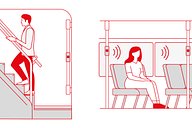
SafeStep™ is an intelligent passenger safety system designed to reduce trips and falls on buses and coaches. Using sensors and dynamic audio alerts, the system detects passenger movement and delivers real-time safety messages- such as reminders to hold the handrail or remain seated until the vehicle stops- helping influence safer behaviour onboard.

Transport Safety Systems
Ardent electronic systems can be integrated to provide comprehensive safety and accessibility solutions for public and commercial transport vehicles.

EV Charging Systems and the Case for Dedicated Protection
As EV charging infrastructure scales in power and density, the risk profile of charging environments is changing. This blog looks into the data and technical factors behind EV charging incidents and explores what “fit-for-purpose” protection could look like for charging assets and sites.