
Fire Protection Best Practice
News
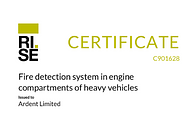
Leading the Industry: Ardent is currently the only UK Manufacturer with SPCR 197 Certification
This certification is another step forward in Ardent's ongoing commitment to improving vehicle fire safety and supporting customers with practical, proven solutions. As regulations and customer expectations continue to evolve, our focus remains the same: delivering reliable fire suppression and fire detection solutions backed by evidence, expertise and long-term support.
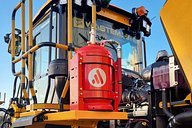
What Is A Fire Suppression System?
What is a fire suppression system, and how does it work? Read our guide to learn more and discover which system is best for your business.

Fire Suppression Basics: Fire Hazard Analysis
In this post, we look at the principles behind a fire hazard analysis and how they dictate system design parameters such as quantity of suppression agent.

Fire Suppression for Agriculture Machinery
There are many challenges when trying to protect against agricultural fires. However, there are also many steps that can be taken to overcome these challenges.

How often should a fire suppression system be serviced?
Just how often should a fire suppression system be serviced? Here, we answer that question and detail what’s involved in keeping your system ship shape.

Reducing Fire Risk At Waste Management Sites
From segregating materials to installing recycling and waste management fire suppression systems, we outline how to protect sites from the get-go.

What To Look For In A Plant Fire Suppression System
The consequences of not choosing the right plant fire suppression systems can be fatal. Here, we outline the most crucial factors to consider when investing.

Power Plant Fire Safety: A Guide
Power plant fire hazards vary wildly, requiring a unique approach to fire safety. Here, we outline the measures to take to protect lives and livelihoods.

Fire Suppression Basics: Nozzle Coverage and Location
In this post, we look at the importance of the number and location of nozzles for effective fire suppression in a fire suppression system.
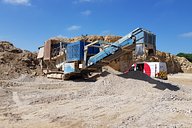
Fire Suppression Focus: Waste Shredders
Key considerations when choosing fire suppression for waste shredders.
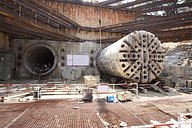
BS 6164:2019 – Fire Suppression for Tunnelling
This blog post aims to help anyone with an interest or responsibility for the protection of plant and equipment used in tunnelling to understand the key principles behind the current generation of fire suppression systems.

Fire Suppression Focus: Forklifts
Key considerations when choosing fire suppression for forklifts.

Fleet Fire Suppression Monitoring: How Telematics is Transforming Safety
Ardent is bringing telematics and GPS tracking to fire suppression, enabling real-time visibility and smarter, proactive fleet safety.

Your Daily Maintenance Checks to Prevent a Vehicle Fire
Your Daily Maintenance Checks to Prevent a Vehicle Fire

Military Vehicle Fire Prevention: A Guide
From armoured tanks to transport carriers, military vehicles operate in harsh environments. Discover strategies for military vehicle fire prevention.

Reducing fire risks in forestry
Forestry poses significant fire risk. We highlight these risks, outline ways to avoid them, and discuss the role a fire suppression system can play.

Preparing for fire suppression system installation
We explain how to prepare ahead of a fire suppression system installation to ensure minimal disturbance and maximum safety. Read more.

Bus and coach fire prevention
From safe fuel storage to vehicle fire suppression systems, we outline how to reduce the risk of a bus or coach fire occurring.

How to improve tunnel fire safety
Tunnels are highly insulated spaces allowing the possibility for more rapid-fire growth. Here, we outline tunnel fire protection measures to prevent fires.

Fire suppression systems: A staff training guide
Ensuring staff are trained in fire prevention and suppression is crucial for protecting lives and assets. Here’s an overview of what they need to know.

Why Fire Protection Systems Fail
Protect your equipment and people by avoiding these common mistakes.
Hazard Analysis - Why Do One?
You're only as strong as your most serious hazard.

The Risk of Under-Specified Fire Suppression Systems
Under-specified or incorrect fire suppression systems is the number one cause of vehicle fire suppression failure.

What Makes For a Trouble-Free Fire Suppression System?
How can installation standards save money in the long term?

Fire Suppression Basics: Detection Systems
Even the most effective extinguishing agents depend upon a reliable detection system. Here we look at the most common types and their pros and cons.

Fire Suppression Basics: Control Systems
Extinguishing agents and detectors are key components of any system, but it is the control module that dictates the response to fire.

Fire Suppression Basics: Suppression Agent Tanks
No fire suppression system is complete without the correct suppression agent tanks. In this blog post, we look at the two main types of tanks.

Fire prevention on construction sites
From material storage to fire detection systems, fire protection on construction sites is compulsory by law. Here, we outline how to stay safe and compliant.

Fire Suppression Basics: Extinguishing Agents
We start this blog series with the essential component of any fire suppression system, the extinguishing agent.

The Difference Between Passive and Active Fire Protection
What’s the difference between active fire protection and passive fire protection? We delve into their definitions and key features. Learn more.

Fire Suppression Systems for Alternative Fuel Vehicles
The emergence of clean energy vehicles brings new challenges to fire suppression. How can we protect against fires on these vehicles?